A fitness creator’s best-performing hook clip dropped into a finance video would feel immediately wrong. The energy, the pacing, the visual register none of it matches what a finance audience expects when they land on content. The clip didn’t get worse. The context changed everything.
This is the central mistake in most hook selection advice: treating hook transition clips as universally interchangeable. Find a clip that stops scrolls, use it everywhere, wonder why retention varies so dramatically between content types.
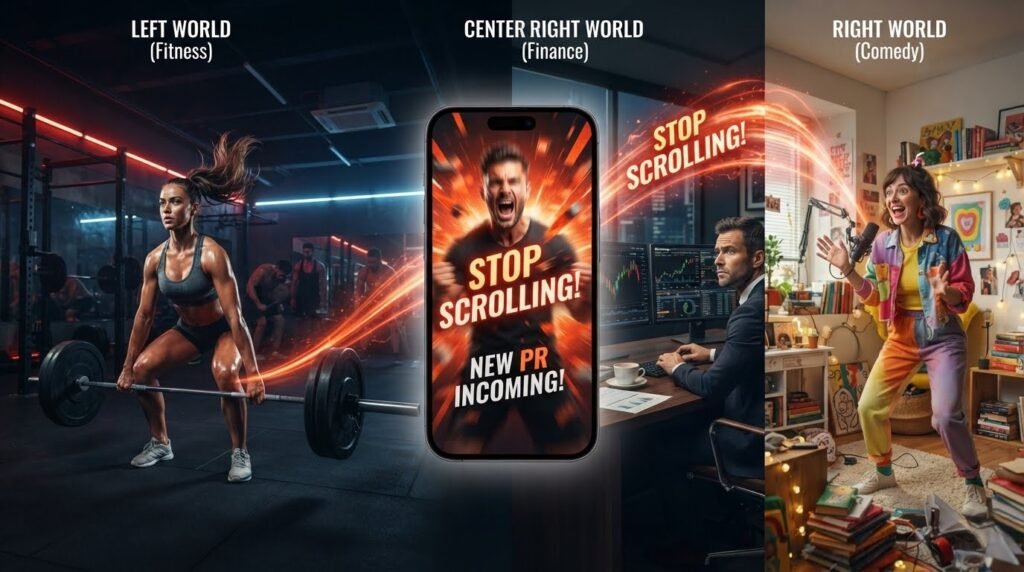
Niche hook clips aren’t just about visual style. They’re about matching the emotional signal at the opening to what the audience already expects from content in that category. A viewer who follows finance creators has developed specific expectations for what finance content feels like. A viewer who follows comedy creators has completely different ones. Violating those expectations even with a technically impressive hook creates a mismatch the viewer feels before they can explain it.
Why Your Niche Changes the Best Hook Strategy
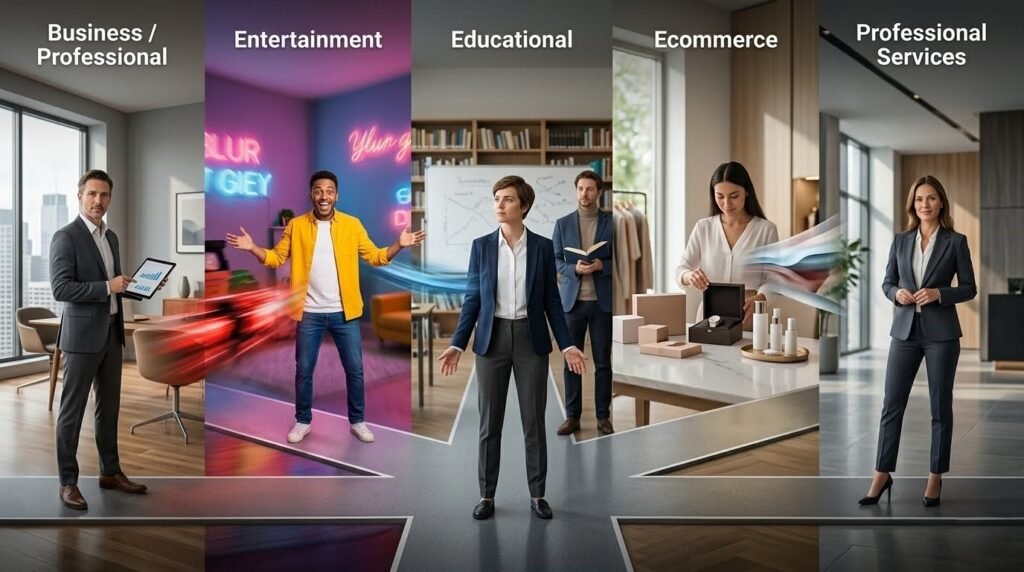
Different audiences carry different visual processing habits built from repeated exposure to content in their category. A business audience that watches a lot of talking-head expert content has calibrated to expect controlled pacing, clear audio, and deliberate camera work. A fast, heavily edited pattern interrupt feels chaotic to that audience rather than energizing.
Entertainment audiences work the opposite way. Comedy, lifestyle, and gaming viewers expect fast movement, quick cuts, and immediate energy. A slow, controlled opening in those categories signals low production effort or boring content before the first line has been delivered.
Educational content needs clarity as the opening signal. The viewer arrived for information. A hook that creates curiosity about the information works. A hook transition that creates visual spectacle at the expense of clarity undermines the trust that educational audiences extend to credible sources.
Ecommerce content needs immediate product relevance. The product doesn’t need to be fully visible in the first second but the viewer should get a signal that what they’re watching is product-related before the hook ends. An abstract clip with no visual connection to the product category leaves the viewer disoriented at the moment the product appears, and disoriented viewers don’t convert. They just leave later than they would have otherwise.
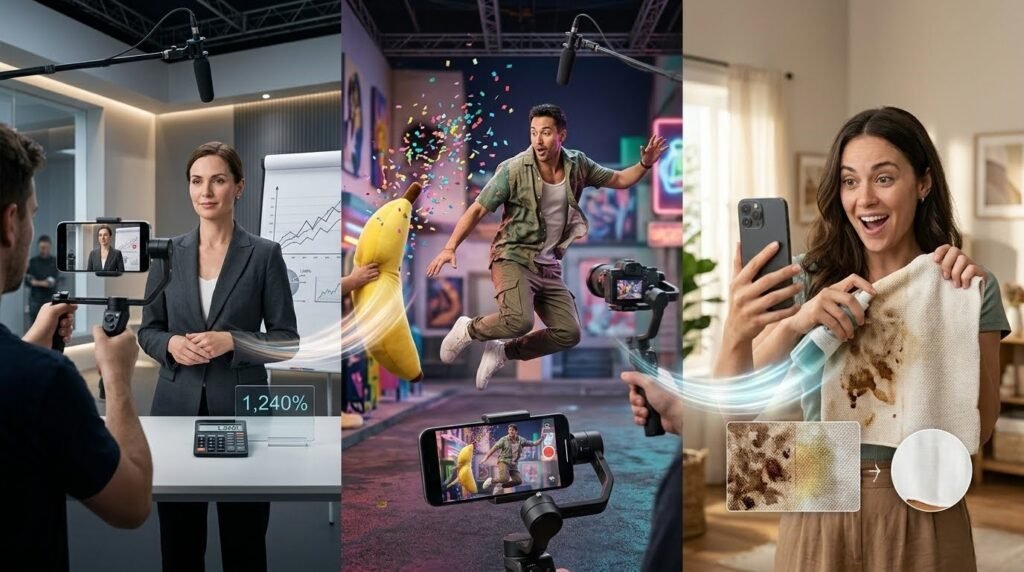
The professional niche situation is different in a specific way. A real estate agent, a SaaS company, a management consultant these brands have spent real time building the perception that they know what they’re doing. A hook clip that opens on chaotic fast cuts or aggressive visual effects immediately undercuts that perception. The clip might stop the scroll. It also might make the next five seconds of content feel like it came from a completely different brand. Subtle motion.
Best Hook Styles for Educational and Expert Content
Finance, business, technology, marketing, education, and productivity creators share a common challenge: the audience came for substance and will leave quickly if the opening signals style over substance.
Curiosity hooks work well here because they lead with the most interesting implication of the content rather than visual spectacle. A finance creator opening on an unexpected number a result, a statistic, a counterintuitive outcome creates a question worth staying for without creating tonal mismatch with the educational content that follows.
Clean motion hooks, smooth push-ins, controlled zoom effects, deliberate camera movements signal quality without signaling chaos. These create visual momentum while staying within the controlled pacing that expert audiences expect. The movement is there; it just doesn’t dominate.
Text reveals work for educational creators because they communicate information visually before any audio loads. A bold, clear claim appearing at frame one reaches muted-autoplay viewers immediately. This creates the forward pull that keeps them watching to hear the explanation.
The mistake most educational creators make is using hook clips that were built for entertainment content. A dramatic suspense clip or a fast-cut pattern interrupt in front of a calm. It can measured business video creates an energy mismatch the viewer resolves by scrolling. The transitional hook has to belong to the same content category it introduces.
Best Hook Styles for Entertainment and Lifestyle Content
Comedy, travel, fitness, food, fashion, beauty, gaming, and lifestyle creators have the most flexibility with hook clip selection and the most temptation to overuse that flexibility.
Faster movement fits these niches because the content itself moves fast. Quick cuts, whip pans, fast zooms these match the pace the viewer expects from entertainment content and create the energy signal that says this video will keep moving. A hook transition clip for viral hooks on TikTok in an entertainment niche can lean harder into kinetic energy than any other content category.
Reaction hooks work especially well for gaming and comedy. Opening on a genuine reaction of disbelief, shock, laughter before the cause is shown creates emotional mirroring that pulls viewers in before any context has been established. The emotion lands first; the explanation comes second.
Visual surprises, unexpected cuts, contrast shifts, something appearing in the frame that doesn’t match what came before work for fashion and beauty content where the reveal is part of the value proposition. The visual surprise signals that something interesting is about to be shown.
Pattern interrupt videos work more aggressively in entertainment niches than anywhere else. A jarring audio cut, a color change, a visual that doesn’t match the surrounding feed these interrupt the scroll effectively without creating the tonal mismatch that the same techniques would cause in professional content.
Fitness content benefits from mid-action hooks already inside a movement, already mid-exercise, the action already underway when the video starts. The physical energy of the clip matches the physical content that follows.
The mistake in entertainment niches is defaulting to whatever hook transition clip is currently trending regardless of fit. A trending hook format builds recognition which works against novelty-based attention. Use energy levels and movement styles that match the content’s pace rather than copying whatever format went viral recently.
Best Hook Styles for Ecommerce and UGC Content
Selling something through short-form video creates a problem that purely educational or entertainment content doesn’t have to solve. The hook has to interrupt the scroll and keep the viewer engaged long enough for the product to appear but the moment the viewer clocks it as an ad, a filter activates that makes everything after that point work harder. The opening has to walk that line: product-relevant enough to attract the right viewer, not so obviously promotional that the skip reflex fires before the product gets a fair look.
Product reveal hooks solve this by showing the product mid-use rather than in a static presentation. The product appears in action being applied, being used, producing a visible result which creates desire before any claim is made. The viewer sees the product doing something rather than being presented to them.
Reaction hooks work for UGC video hook clips specifically because the emotional response lands before any product context exists. A genuine expression of satisfaction or surprise at frame one creates curiosity about the cause. The product is the cause. The product appearing later in the video doesn’t hurt engagement, it often helps. By the time it shows up, the viewer has already been inside the content for several seconds and leaving feels like abandoning something mid-way. That’s a different psychological position than encountering the product cold at frame one.
Problem-first hooks work on a simple principle. Show the frustration before the fix. A skincare creator opening on visible skin texture issues before any product appears to a viewer who has felt that exact frustration stops. The viewer who has experienced the specific problem the opening depicts is already engaged before the product appears.
Before-and-after transitions work across beauty, skincare, home, and fitness product content where the visual transformation is the selling point. Jump to the after at frame one. No before, no process, no setup just the result immediately. The question of how to earn the watch time.How to use instagram hooks for business.
Fast product movement is a quick series of cuts showing the product from different angles, in different contexts, at high speed works for fashion and home goods where visual variety is the value. The movement communicates range without requiring slow, deliberate presentation.
The mistake in ecommerce content is choosing abstract transitional hook clips that have no visual relationship to the product category. A dramatic suspense clip before a kitchen product video creates a disconnect that the viewer resolves by scrolling before the product appears.
Best Hook Styles for Professional and Service-Based Brands
A local business owner, a freelance consultant, a SaaS founder posting on Instagram Reels they’re all working with the same constraint. The hook has to grab attention without making the brand look desperate for it. Aggressive transitions and heavy visual effects read differently on a financial services account than they do on a comedy account. On a comedy account, fast cuts signal fun. On a consulting account, the same cuts can signal instability exactly the opposite of what the content is trying to communicate.
What works better is motion that feels deliberate. A smooth push-in that arrives slowly rather than slamming in. A clean cut that lands on the right beat rather than hammering it. The viewer still gets the visual momentum it just doesn’t shout.The movement is there; it just doesn’t dominate the frame or override the professional signal.
Curiosity hooks work strongly here because they lead with value rather than spectacle. A real estate creator opening on a property’s most surprising feature price, location detail, an unexpected interior creates genuine curiosity without requiring dramatic visual effects. The information is the hook.
Social proof opens a visible result, a client outcome, a metric that implies experience establishes credibility and creates curiosity simultaneously. A consultant opening on a visible outcome from a client engagement signals expertise before explaining anything. The result is the hook.
Short video transitions for ads in professional categories should run shorter and cleaner than in entertainment categories. A half-second clean cut or a subtle push-in at frame zero delays ad identification without disrupting the professional tone. Longer or more dramatic transitions feel inconsistent with the content’s positioning.
The mistake professional brands make most often is swinging too far in either direction either opening on a static, slow frame that loses viewers immediately, or using hook clips designed for entertainment content that make the brand look like it’s trying too hard. The middle ground controlled motion, clear curiosity signals, content-specific relevance is where professional brands retain viewers without compromising authority.
Mistakes Creators Make When Choosing Niche Hooks
Copying hooks from unrelated niches is the most consistent mistake. A fitness creator’s hook clip carries the energy and visual register of fitness content. Using it in front of a financial explainer creates an immediate category mismatch that viewers resolve by scrolling.
Choosing visual effects over relevance produces hooks that impress in isolation and fail in context. The question isn’t whether the clip looks good. It’s whether it fits the niche, the audience expectation, and the content that follows.
Ignoring audience expectations is the underlying problem behind most hook failures. Every niche has trained its audience to expect specific visual and tonal signals. Violating those expectations even with a technically superior clip produces exits before the content begins.
Making the hook more interesting than the actual content is a specific kind of mismatch that hurts long-term retention. If the hook’s energy, stakes, or visual quality exceeds what the content delivers, the drop-off happens at the exact moment the content begins which is the worst possible place to lose a viewer.
Using a hook that promises something the video doesn’t deliver creates a trust problem that affects not just the current video but future ones. Viewers who feel misled by an opening don’t stop on the next video from the same account as readily.
Building a Niche-Based Hook Library
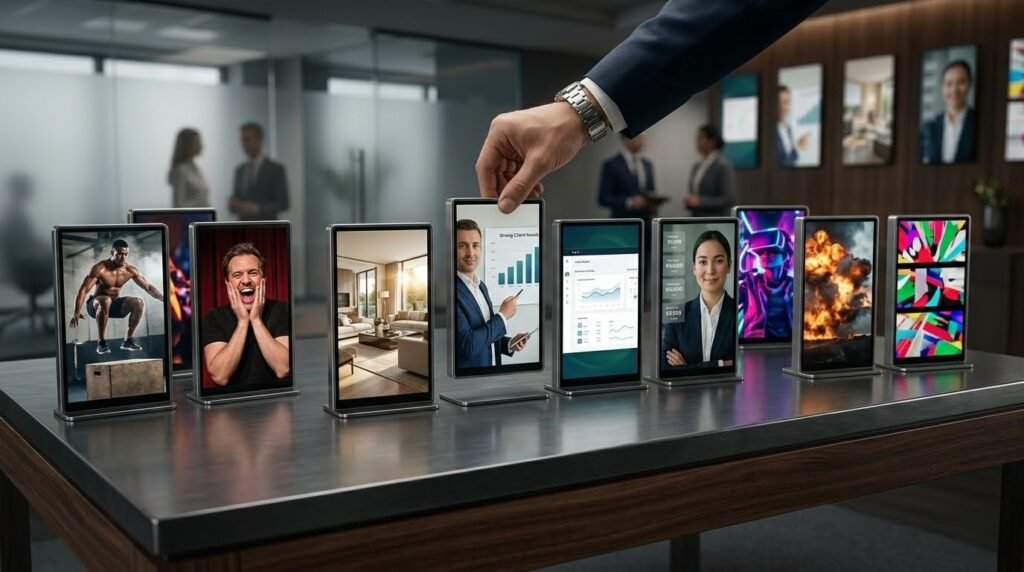
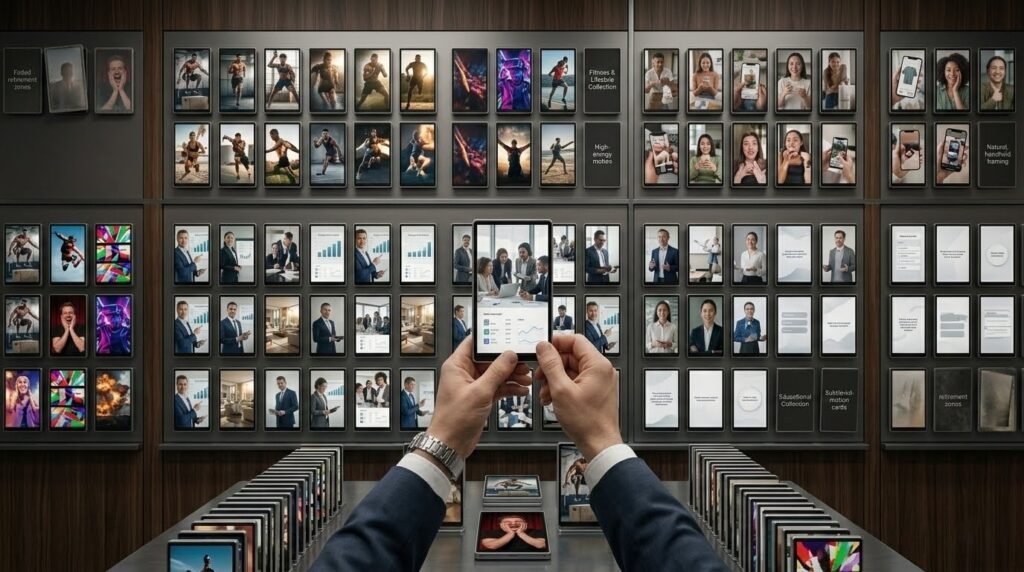
A general hook library organized only by clip type serves every niche equally poorly. A niche-based organization folders for different content categories, tags for energy levels appropriate to each, notes on which clips have worked in which contexts serves the actual decision being made at the editing stage.
HookTransition.com provides downloadable transitional hooks and hook video clips free from general stock site complications, organized by hook type and built for short-form vertical content. For creators building niche-specific collections, starting with purpose-built hook assets reduces the adaptation work required for each clip compared to repurposing general footage.
Tag clips by niche compatibility based on actual performance data, not assumptions. A clip that performs well for fitness content gets tagged for fitness. If it also works for lifestyle content, that gets noted. If it fails in a business context, that gets noted too. The tag reflects evidence rather than guessing.
Organize by energy level within each niche folder. High-energy clips for entertainment content, controlled-motion clips for professional content, authenticity-signal clips for UGC and ecommerce. The energy level filter makes the clip decision faster when the right niche folder is already open.
Review the library regularly and retire clips that have become overused or that the data shows consistently underperform in specific contexts. Fresh additions keep the pattern interrupt quality alive in niches where novelty matters most.
Niche Hook Clips
The best hook clip isn’t the most dramatic one available. It’s the one that matches the niche, the audience’s expectations, the content’s emotional register, and the brand’s established identity all at once.
Niche hook clips that fit those criteria retain viewers more reliably than visually impressive clips that violate any one of them. Build a library organized around niche fit rather than general visual quality. Test what actually holds viewers in each specific content category. Replace what doesn’t work with what does.


