There’s a tension most creators hit once they start using hook clips seriously. The clips work. Early retention improves. The scroll stops more reliably. But somewhere around the third or fourth video using downloaded assets, something feels off. The opening looks like it came from a different account. The energy doesn’t match the content that follows. A viewer who found the brand through its distinctive visual style watches a new video and doesn’t recognize it until twenty seconds in.
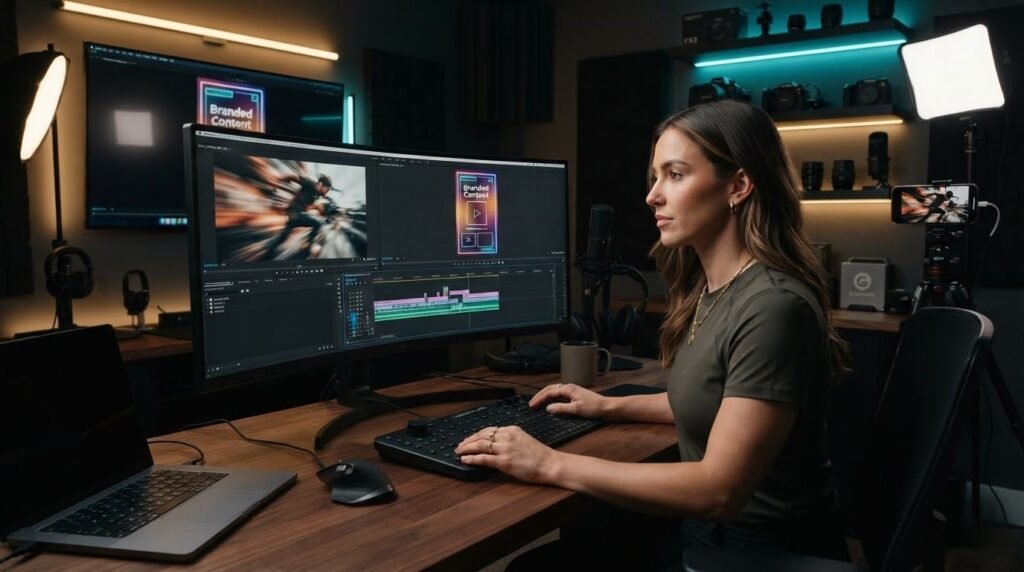
Strong hooks and recognizable branding feel like competing priorities. Use whatever stops the scroll most aggressively and risk looking generic. Stay rigidly on-brand and lose the attention-grabbing power that transition hook clips provide.
The creators who’ve solved this aren’t choosing between the two. They’re adapting hook clips to fit their brand rather than using downloaded assets exactly as they came. That adaptation process, knowing what to change, what to leave alone, and how to build a library of branded hook clips that speeds up every future edit is what this covers.
Why Strong Hooks Can Sometimes Hurt Brand Consistency
A hook clip pulled from a general library and dropped into a video untouched carries the visual fingerprint of wherever it came from. The color grade might not match. The movement style might feel faster or slower than the rest of the content. The energy might be right for stopping the scroll but wrong for the emotional tone the brand has built.
Attention-grabbing and on-brand aren’t naturally the same thing. A dramatic, high-contrast suspense clip might stop scrolls effectively while feeling completely disconnected from a wellness brand that’s built its identity around calm, natural visuals. The hook works in isolation and breaks the brand in context.
The difference between an effective hook and a branded hook is specificity. An effective hook stops any scroll. A branded hook transition stops the right scroll; it creates the same visual and emotional signal the rest of the content continues. Viewers who stop on a branded hook are more likely to be the audience the content was built for.
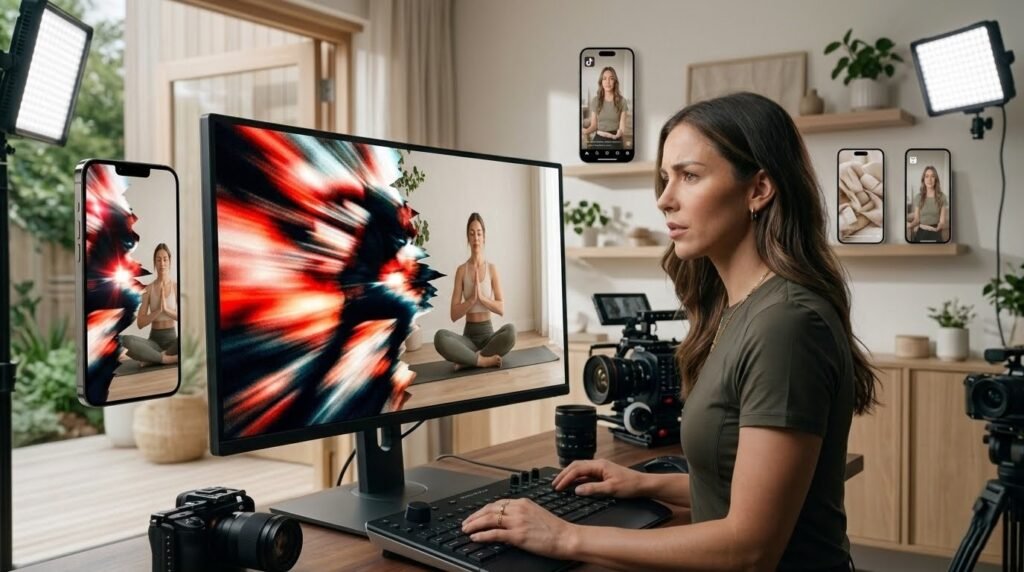
Excessive effects create a related problem. Heavy zoom effects, dramatic color filters, rapid jump cuts these get attention but they also signal a specific editing style. If that style doesn’t match the rest of the video, the viewer experiences a jarring reset at the moment the hook ends and the content begins. That reset causes exits at exactly the wrong moment.
Consistency across TikTok, Reels, and YouTube Shorts matters more than most creators realize. Viewers encounter content from the same account across multiple platforms and build recognition from visual and tonal patterns. A transition hook strategy that makes every video look different undermines that recognition regardless of how well individual videos perform.
What Makes a Hook Clip Fit Your Brand?
Visual style is the first filter. Does the clip’s aesthetic, its grain, its contrast, its saturation match the general look of the existing content? A clip with a dark, moody grade doesn’t sit comfortably in front of bright, high-key content without adjustment.
Color and lighting compatibility matters at the first frame. The viewer’s eye calibrates to the visual temperature of the opening. When the content shifts to a different color palette after the hook, the calibration reset creates visual friction. Check the hook transition clip’s dominant tones against the content’s typical palette before committing to it.
Camera movement style creates tonal signals. Fast, jerky movements signal urgency and energy. Smooth, deliberate movements signal quality and control. A luxury ecommerce brand using a fast, shaky hook clip creates a mismatch between the movement’s signal and the brand’s positioning. Movement speed should match or slightly exceed the brand’s typical editing pace, not contradict it.
Editing speed affects whether the hook feels native to the content or imported. A creator who typically edits at a relaxed pace, slower cuts, more breathing room between moments will find that a very fast, heavily cut transition hook clip feels like it belongs to a different account. The hook can be faster than the content without feeling disconnected, as long as the difference isn’t dramatic.
Sound design creates brand associations that visual choices don’t. A consistent audio approach, the type of sound effects used on cuts, the style of music, the presence or absence of voiceover is often more recognizable than visual style. A hook transition clip that disrupts the audio identity feels more jarring than one that disrupts the visual identity.
Emotional tone is the least quantifiable factor and the most important. A hook clip that creates tension for content that’s warm and encouraging creates an emotional mismatch the viewer feels before they can articulate it. The emotional signal at the opening should be consistent with where the content takes them.
How to Adapt Generic Hook Clips to Your Brand
Caption styling is the fastest adaptation. A downloaded hook clip with no text overlay becomes branded immediately when the creator’s own font, size, color, and positioning are applied. The clip’s visual is the attention-getter. The caption is the brand marker. Using branded caption styling on every hook clip creates consistency that the underlying clip’s visual differences don’t undermine.
Color adjustments in editing software bring transition hook clips into visual alignment with existing content without changing the clip’s fundamental energy. Adjusting temperature, saturation, and contrast to match the content’s typical grade takes two minutes in CapCut, Premiere, or DaVinci and significantly reduces the visual discontinuity between hook and content.
Sound effects and music selection adapt the audio identity of downloaded clips. Replace or layer over the clip’s original audio with sounds that match the brand’s typical audio style. A brand that consistently uses clean, minimal sound design on cuts should apply that same approach to hook transition clip edits rather than keeping.
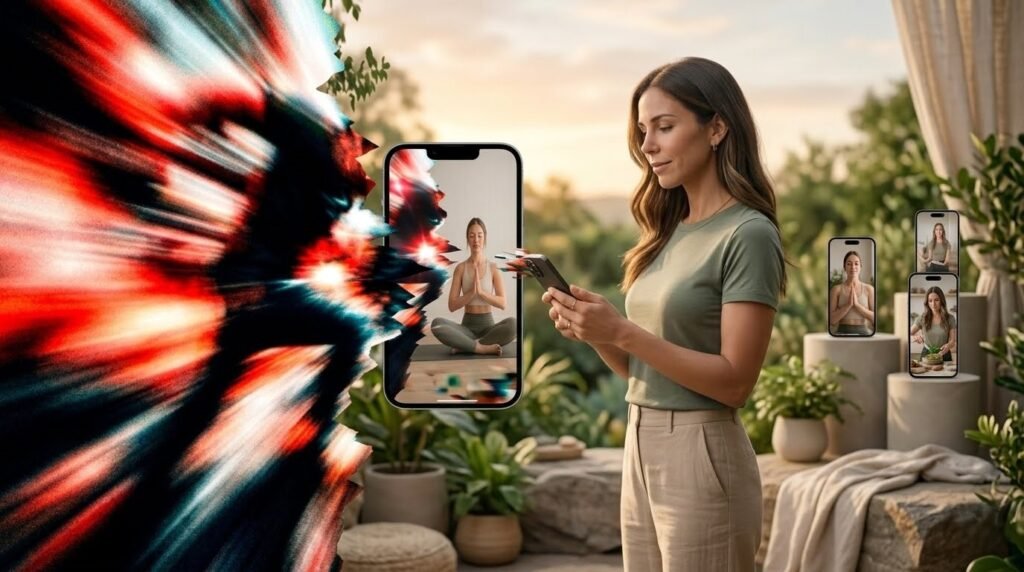
Transition timing is adjustable even when the transition itself isn’t. A whip pan transition that runs slightly too fast for the brand’s editing pace can be slowed in post without losing its effect. The movement is still there; it just matches the content’s rhythm more closely.
Cropping and framing changes focus the clip without changing its energy. A clip with elements in the frame that don’t fit the brand aesthetic can be cropped to exclude them. A clip where the most relevant visual element is slightly off-center can be reframed.
Logo placement should come after the hook rather than during it. Placing a logo at the opening frame before the transition hook has had a chance to create engagement turns the branding into an obstacle rather than a reward. Wait until the viewer has committed five to ten seconds in before introducing brand marks.
Choosing Hook Styles for Different Brand Personalities
Professional brands consultancies, agencies, financial services work best with curiosity and suspense hooks that imply expertise before demonstrating it. A result shown before the process, a counterintuitive statement before the explanation. High-energy pattern interrupts feel inconsistent with the authority positioning these brands depend on.
Personal brands depend on emotional recognition and authenticity. UGC video hook clips that open on a real moment a genuine reaction, a relatable situation, a direct-to-lens delivery extend the personal brand’s identity rather than disrupting it. Overly produced hook transition clips undermine the human connection that personal brands are built on.
Ecommerce businesses benefit from reveal hooks and short video transitions for ads that delay product identification while building visual interest. The product appears after the transition hook has created engagement. Which means the viewer reaches the product in a more receptive state than they would if the product appeared at frame one.
UGC-focused brands need hooks that match the raw aesthetic their content already has. A polished, heavily edited hook clip in front of authentic user-generated content breaks the authenticity signal immediately. Keep hook clips for UGC content in the same visual register as the content itself phone camera energy, natural light, minimal effects.
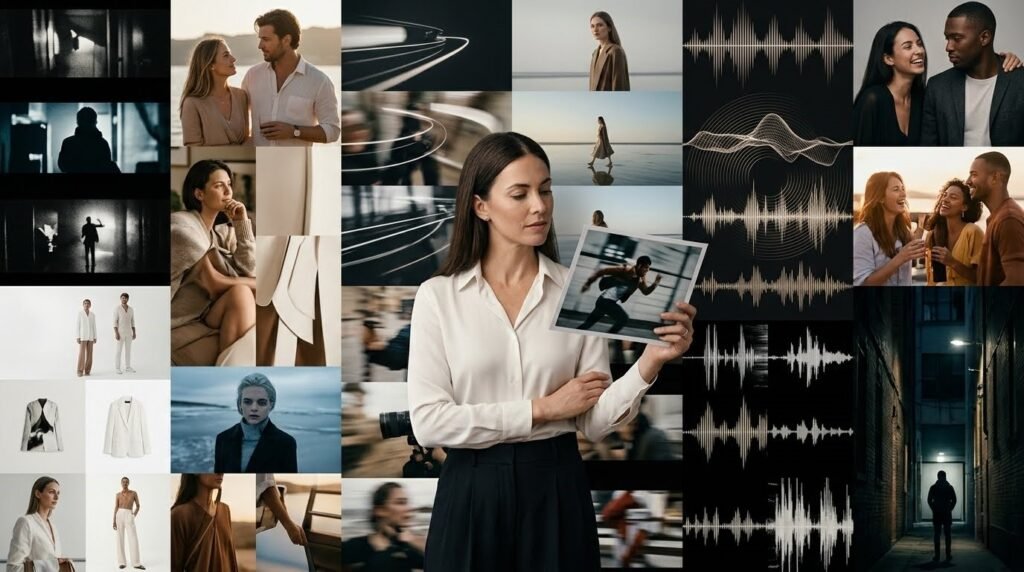
Educational creators work best with text-first hooks and curiosity gaps that lead directly into the lesson structure. A bold claim or counterintuitive result at the opening creates the question the content answers. Heavy motion effects feel tonally mismatched with content where the value is information rather than entertainment.
Fast-moving social brands entertainment, humor, lifestyle have the most flexibility with hook clip styles because their content already signals high energy and fast pacing. Pattern interrupt videos, fast zoom transitions, dramatic cuts these fit naturally rather than requiring significant adaptation.
Mistakes That Make Hook Clips Feel Generic
Using the same downloaded clip across multiple videos makes the hook recognizable in the wrong way. Returning viewers start to associate the clip with other content they’ve seen it in, not with the brand. Rotate hook clips regularly even when a specific clip performs well.
Copying another creator’s exact opening, same clip, same transition, same caption style produces content that viewers may already have seen. Even if they haven’t seen the exact source, the similarity to other content reduces the novelty that makes pattern interrupt videos work.
Adding too much branding to the hook itself defeats the purpose. A hook clip layered with a logo, brand name, color overlay, and animated intro becomes an intro animation rather than a hook. The branding should come after the hook has done its job.
Mismatched music undermines both the hook’s effectiveness and the brand’s audio identity simultaneously. A dramatic orchestral sting on a hook clip for a minimalist lifestyle brand creates tonal confusion that neither element recovers from.
Choosing a hook only because it looks impressive without checking. Whether it fits the content’s emotional register produces the tonal mismatch problem consistently. The question isn’t whether the clip is good. It’s whether it’s right for this specific video.
Building a Branded Hook Library
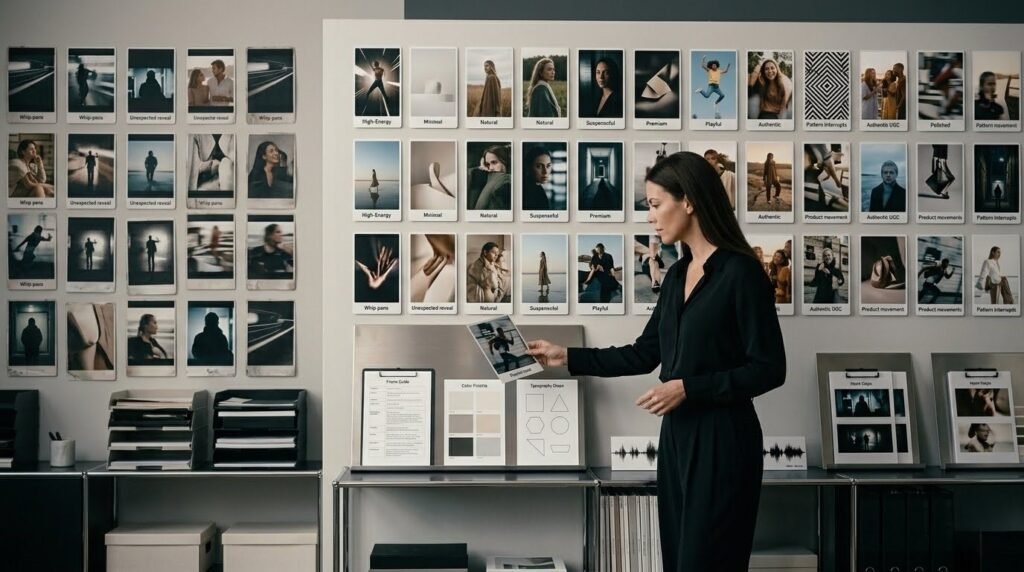
A library organized around brand fit rather than general hook effectiveness produces faster and more consistent results than a general collection. Categorize clips not just by hook type but by brand suitability which clips work for which content categories, which platforms, and which campaign types the brand runs.
HookTransition.com provides a library of downloadable transitional hooks and hook video clips free from licensing complications, organized by hook transition type and built for short-form vertical content. For creators building a branded library, starting with purpose-built assets rather than general stock footage means less adaptation work for each clip; the clips were built for hook use rather than repurposed from something else.
Tag clips by energy level and emotional tone alongside hook type. A suspense clip with high contrast and dark tones is a different asset from a suspense clip with warm. It is natural lighting even if both are technically the same hook category. Those differences determine brand fit and should be reflected in the organization.
Track which adapted clip combinations specific transitional hook examples clip, caption style, music choice, transition timing produced the strongest retention for specific content types. That combination is more valuable than any individual clip, and saving it as a template means the next video in the same category starts with a proven opening rather than a blank timeline.
Consistency Is Key
Hook clips and brand consistency stop competing with each other once the adaptation process becomes part of the workflow rather than an afterthought.
The clip creates the stop. The adaptation makes it belong. Caption styling, color adjustment, audio choices, transition timing, these small edits are the difference between a hook that grabs attention for any video and a branded hook clip that grabs attention for this brand specifically.
Build the library around brand fit. Adapt before publishing. Test what performs and save the combinations that work. The opening gets stronger and more recognizable at the same time rather than trading one for the other.


