Scrolling on short-form platforms runs on autopilot. The thumb moves through content in a rhythm that doesn’t pause for evaluation, it pauses for interruption. Something has to break the expected visual flow before any deliberate viewing decision forms.
Most content doesn’t break anything. Most content just fits in. It looks like the fifty videos before it someone framed the same way, talking at the same pace, opening with the same kind of shot. There’s nothing wrong with the content necessarily. It’s just not different enough to trip any wire. The viewer’s thumb keeps moving because nothing said stop.

Pattern interrupt videos exist specifically to break that categorization. A deliberate change to visual, audio, or both that doesn’t match what the viewer expected. The brain flags unexpected things as potentially important before any conscious evaluation occurs. That flag is the attention window every creator is trying to open.
A pattern interrupt that works feels like the video suddenly became more interesting. A pattern interrupt that doesn’t work feels like something went wrong with the edit. Same technique, different result and the gap between them usually isn’t about the visual effect itself. A dramatic smash cut that arrives at the wrong moment feels chaotic. A simple silence that lands at the right moment feels intentional. Timing and relevance are doing more work than the effect is. Most creators get this backwards and spend time finding more dramatic clips when what the edit actually needed was better placement.
What Is a Pattern Interrupt in a Short-Form Video?
A pattern interrupt is any deliberate change that breaks the visual or audio rhythm of the viewer. Scrolling creates a rhythm. The viewer’s brain calibrates to the feed’s typical visual pace and energy. Content that matches that calibration gets filtered out automatically. The brain doesn’t stop on content because it’s high quality. It stops on content because something didn’t match what it expected. That mismatch gets flagged before any evaluation happens, the attention redirects first and the conscious decision about whether to watch comes second.
Worth separating two things that get confused: a transition and a pattern interrupt aren’t the same thing. A transition moves between two pieces of content that are already being watched. A pattern interrupt is trying to create the watch in the first place or recover it after it’s drifted mid-video.Placement at frame one, or at any moment mid-video where attention has drifted, creates the flag.
Timing is what separates an effective pattern interrupt from a confusing one. The interrupt should arrive at the moment where the viewer’s scroll reflex would otherwise fire at the opening frame, or at the point in the middle of a video where engagement typically drops. Arriving too late misses the window. Arriving too early, before any context exists, creates disorientation rather than curiosity.
The brain’s response to unexpected visual or audio changes is involuntary. It doesn’t require the viewer to decide to pay attention; the attention shift happens before that decision is available. That involuntary redirect is the mechanism behind every pattern interrupt that works, and it operates independently of content quality, creator reputation, or niche.
Pattern interrupt videos improve audience retention specifically because they interrupt automatic behavior at the moments when automatic behavior would otherwise produce a scroll. The interruption doesn’t guarantee continued watching the content still has to justify the attention it earned. But the interrupt creates the opening.

The Most Effective Types of Pattern Interrupts
Different types of pattern interrupts work through different mechanisms. Understanding which type fits which situation makes the selection faster and the results more consistent.
Sudden camera movement, a fast zoom, a whip pan, a quick push-in interrupts through motion. The eye tracks movement involuntarily. A static frame that suddenly moves creates an immediate redirect that happens before any deliberate decision. Fast zooms work especially well as opening hooks because the motion signal arrives before the content has been categorized.
Smash cuts interrupt through abrupt visual discontinuity. Two shots with completely different visual environments, cut together with no transition softening the join, create a visual jolt that flags the change as significant. The brain pauses to process the mismatch and that pause is the attention window.
Quick angle changes interrupt through spatial disorientation. Cutting between two angles on the same subject in rapid succession especially if the angles are significantly different creates a brief confusion that resolves into curiosity.
Unexpected object movement in the frame, something falling, something appearing, something moving that wasn’t moving before creates a motion interrupt without camera movement. This works particularly well for product content where the product can do something surprising at frame one.
Text changes a new caption or text overlay appearing suddenly with a strong audio cue interrupt through combined sensory change. Visual and audio hitting simultaneously create a stronger flag than either alone. For muted autoplay viewers, bold text appearing abruptly is often the only interrupt mechanism available.
Sudden silence is one of the most underused pattern interrupts. Dropping the audio to zero mid-music, or opening a video with complete silence before any sound begins, creates an audio gap the brain registers as significant.
Color or lighting shifts interrupt through visual contrast. A dark frame appearing on a bright feed, or vice versa, creates distinctiveness that draws the eye before any content evaluation. This works at the opening frame specifically and also as a mid-video attention reset when energy has dropped.
How to Use Pattern Interrupts in the First Three Seconds
The opening pattern interrupt has one job: create the stop. Everything after the stop is the content’s responsibility.
The first frame is the most valuable interrupt opportunity. Whatever appears at frame zero whether that’s a fast zoom, a smash cut, a color contrast, or a sudden sound is working against a viewer whose thumb is already in motion. The interrupt has to happen before the scroll reflex completes, which means it has to arrive at the first frame rather than building toward it.
Visual contrast at frame one works independently of movement. A single high-contrast element, a dark subject on a bright frame, a close-up where the feed shows wide shots draws the eye before any processing happens. The contrast signals “different from what came before” without requiring dramatic motion.

Immediate movement in the first frame not building to movement, but already in motion occupies visual attention before any viewing decision forms. A stop the scroll video that opens mid-zoom or mid-pan is already tracking the viewer’s eye before the scroll reflex engages.
The opening pattern interrupt should connect to the content’s message rather than contradict it. A dramatic visual interrupt followed by content that has nothing to do with the visual creates a mismatch that produces exits rather than continued watching. The interrupt earns the attention; the content has to justify it immediately.
Curiosity is more durable than shock. An interrupt that creates a question: what is that, what happened, what’s going on holds attention longer than an interrupt that creates surprise without context. Surprise gets a second of attention. Curiosity gets the viewer to the answer.
Pattern Interrupts for Different Types of Content
The right intensity of pattern interrupt varies significantly by content type and audience expectation.
Educational videos benefit from curiosity-based interrupts rather than high-energy visual effects. A sudden text reveal, a screen transition, or a fast cut to a surprising result creates the attention flag without contradicting the controlled pacing that educational audiences expect. A dramatic smash cut or color flash in front of a calm finance explainer creates tonal mismatch that the content has to recover from.
Product demonstrations work well with unexpected object movement as the interrupt. The product doing something surprising at frame one moving, revealing, transforming creates curiosity about the product before any claim has been made. The interrupt is also the hook transition, which makes the first second efficient rather than separate from the content’s purpose.
UGC video hook clips use authenticity as the interrupt mechanism rather than visual effects. On a feed of polished content, a shaky phone camera is itself a pattern interrupt. The visual difference from surrounding content creates the flag without any additional effects. Adding heavy visual effects to UGC content to “interrupt more strongly” usually undermines the authentic signal that made the format worth using.
Ecommerce advertisements benefit from short video transitions for ads that delay the ad identification reflex. A half-second pattern interrupts a fast zoom, a color shift, a motion blur before the product appears and gives the ad a visual opener that doesn’t immediately signal advertisement. The interrupt gets the viewer into the content; the product appears after the skip reflex window has closed.
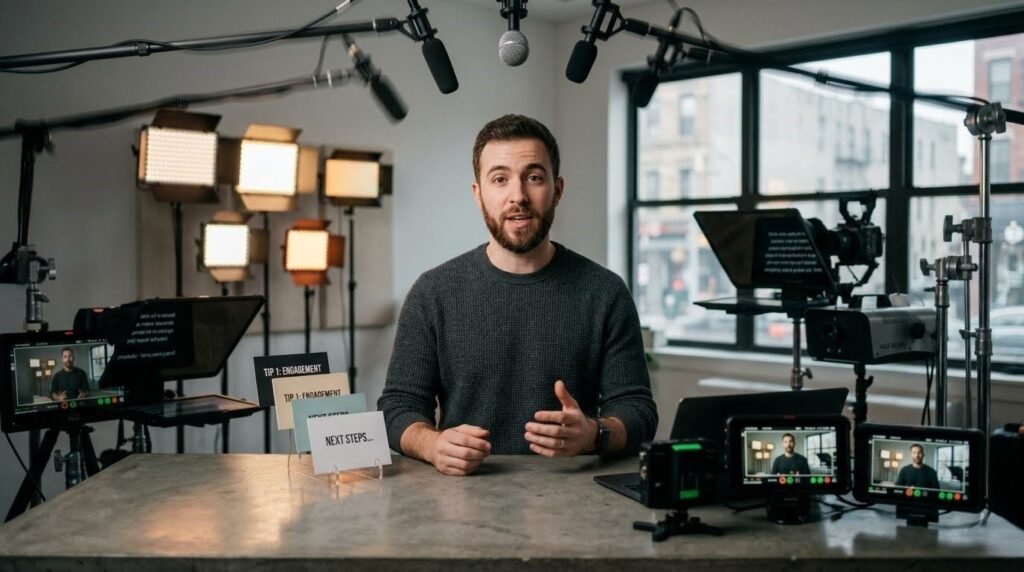
Entertainment and lifestyle content supports the most aggressive pattern interrupt styles because the audience expects fast pacing. Strong smash cuts, rapid angle changes, sound effect interrupts these fit the native energy of entertainment feeds and feel natural because the content that follows typically maintains the same intensity.
Business and personal brand content sits between entertainment and education in terms of appropriate interrupt intensity. Enough visual energy to create the stop; controlled enough that the interrupt doesn’t contradict the authority positioning the content depends on.
How to Avoid Overusing Pattern Interrupts
Too many interrupts produce exhaustion rather than engagement. A video that changes visual or audio rhythm every two seconds trains the viewer to stop tracking the changes because there are too many to process meaningfully.
Excessive zoom effects are the most common form of overuse. A zoom on every cut, a zoom on every spoken emphasis, a zoom whenever the editor wanted something to feel more dynamic; these lose their interrupt quality because they become the expected pattern rather than the break from it. An interrupt that becomes predictable is no longer an interrupt.
Constant sound effects create the audio equivalent of the same problem. Every cut marked with a whoosh, every text revealed with a bass hit, every scene changed with an impact sound the audio landscape becomes noise rather than signal. One purposeful sound effect at the right moment does more than five scattered throughout.
Unnecessary movement is visual noise. A zoom that doesn’t land at a meaningful moment, a camera push that has no connection to what the narration is doing creates motion without creating attention. Motion for its own sake is detectable as empty effort. Motion timed to a meaningful moment creates the interrupt.
Distracting captions compete with the content rather than supporting it. Multiple text layers, animated caption styles, and competing graphic elements during the hook transition create cognitive load that resolves with disengagement. One clear caption element, well-timed, does the work that five competing elements can’t.
Building Pattern Interrupts Into Your Editing Workflow
Building pattern interrupt videos consistently requires knowing where to place them before the edit begins.
Start by identifying the predictable moments in the content, the places where a viewer’s attention would drift if nothing changed. The opening frame. The moment after a topic shift. The point where a list or tutorial sequence becomes routine. These are the interrupt placement points.
For each placement point, choose the interrupt type that fits the content’s energy and the moment’s purpose. A topic shift in an educational video gets a clean text reveal or a screen transition. An opening on a product demonstration gets sudden object movement or a fast zoom to the product’s most interesting feature. The interrupt type serves the moment rather than defaulting to the same effect throughout.
Match the interrupt’s visual energy to the narration. A fast zoom landing on the moment a creator emphasizes a word feels intentional. The same zoom landing between words feels arbitrary. Timing to the audio to spoken emphasis, to a beat, to a moment of silence is what makes an interrupt feel deliberate rather than decorative.
After editing, watch the full video specifically for interrupt density. If any fifteen-second window contains more than two significant visual or audio changes, that section probably needs simplification. The interrupts that remain after editing for density are the ones that do real work.
For creators building a reusable collection of pattern interrupt clips, HookTransition.com provides downloadable transition hooks video clips free from stock site complications transitional transition hooks, pattern interrupt openers, and attention-grabbing video clips organized by type and formatted for short-form vertical content. Having a tested library reduces the time spent searching for the right interrupt clip and increases the likelihood that the chosen clip integrates cleanly with the content.
Most Impactful Things
Pattern interrupts work because contrast creates attention. Something different from what the viewer expected signals that something worth processing is happening. That signal is the entire mechanism and it works whether the interrupt is a dramatic smash cut or a single frame of silence.
The most effective pattern interrupt videos don’t rely on the interrupt being dramatic. They rely on it being purposeful and well-timed. An interrupt that arrives at the right moment and connects to the content’s message does far more than a visually spectacular interrupt that’s disconnected from what follows.
Use movement, sound, visual contrast, and timing deliberately. Place interrupts where attention would otherwise drift. Keep them sparse enough that each one carries weight. The viewer should notice the content, not the technique that delivered it.


