Last updated: October 2026
You don’t need a million followers to get paid by brands. Many companies now prefer smaller creators: their audiences trust them more, their engagement is usually higher, and they cost less. The hard part isn’t being “big enough” — it’s knowing how to find brands and what to say.
This guide walks through the exact process, from getting your profile ready to sending your first pitch.
Why brands work with small creators
- Higher engagement: smaller accounts often get a bigger share of followers commenting and saving.
- Niche trust: a creator with 6,000 followers who all care about home espresso is more useful to a coffee-grinder brand than a general meme page.
- Content, not just reach: many brands pay creators for videos they can run as ads on their own accounts (often called UGC). Your follower count barely matters for that.
Step 1: Make your profile “brand-ready”
- Pick a clear niche. Brands need to understand in five seconds who your audience is.
- Write a bio that says what you post and for whom (“Budget desk setups for students”).
- Add a contact email to your bio or profile contact button.
- Pin your 3 best videos — ideally ones that show products naturally.
- Post consistently for at least a month before pitching, so your recent content is strong.
Step 2: Create proof that you can sell
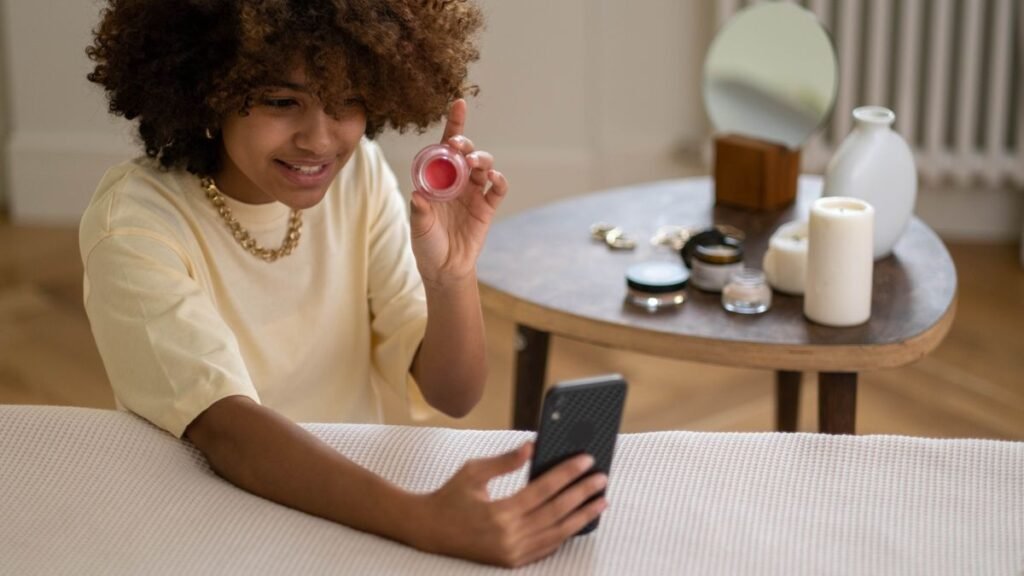
Brands want to see that you can make a product look good and get people to act. Before you have sponsors, make 3–5 “spec” videos featuring products you already own and like:
- A quick review with an honest verdict
- A “3 ways I use this” video
- A before/after or problem/solution video
Open each with a strong first second — a fast visual or bold claim. If your footage starts slowly, a short hook clip cut into the start works well. Then tag the brand. Some brands notice and reach out; either way, you now have a portfolio.
Step 3: Build a simple media kit
A one-page media kit makes you look professional. Include who you are, audience stats, best-performing content, past collaborations and contact details. We cover this in detail in our media kit guide.
Step 4: Find brands to pitch
- Products you already use — the easiest, most authentic pitch.
- Brands sponsoring similar creators — look for “#ad” or “paid partnership” labels in your niche.
- Brands running ads to you — if they’re paying for ads on TikTok or Instagram, they have a marketing budget.
- Creator marketplaces — TikTok One (formerly Creator Marketplace), Instagram’s partnership tools, YouTube BrandConnect and independent platforms connect creators and brands.
- Small and new brands — they’re often more open to working with growing creators.
Step 5: Send a short, specific pitch
Most brand pitches fail because they’re generic. Keep it under 150 words and make it about them:
Subject: Video idea for [Brand] — [your niche] audience
Hi [Name],
I make short videos about [niche] for [audience] on TikTok and Reels (6.2K followers, average 9K views, 8% engagement). I’ve used your [product] for three months and think it would fit a “[specific video idea]” video.
Here’s a similar video I made: [link]. My media kit is attached.
Would you be open to a paid collaboration in [month]? Happy to share packages.
[Your name]
Send it to the brand’s marketing or partnerships email (often on their website or LinkedIn), not just a DM. Follow up once after 5–7 days.
Step 6: Agree terms in writing
Before you post anything, confirm in writing:
- Deliverables: number of videos, platforms, length
- Usage rights: can the brand run your video as an ad? For how long? Ad usage should cost extra.
- Exclusivity: are you blocked from working with competitors? For how long?
- Payment: amount, due date, and whether a deposit is paid upfront
- Approvals: how many rounds of edits are included
Not sure what to charge? See our guide to sponsored post rates.
Step 7: Disclose every paid post
Advertising rules in most countries — and every platform’s own policies — require you to clearly disclose paid partnerships. Use the platform’s paid-partnership or branded-content label and say it clearly in the video or caption (“#ad”, “sponsored by”). It protects you, the brand, and your audience’s trust.
Mistakes that kill small-creator deals
- Pitching brands that don’t fit your niche
- Sending copy-paste DMs like “collab?”
- Accepting “exposure” or free product for work that should be paid
- Giving unlimited ad usage rights for free
- Buying followers — brands check engagement, and fake followers are easy to spot
FAQ
How many followers do I need for brand deals?
There’s no fixed minimum. Creators with 1,000–10,000 engaged followers in a clear niche regularly land paid deals, and UGC work doesn’t depend on followers at all.
Should I accept free products instead of payment?
Gifted products can make sense for your very first collaborations or for products you’d buy anyway. Once you’re delivering custom content, ask to be paid.
Do I need an agent?
Not at the start. Agents and managers usually work with established creators. Learning to pitch yourself is a valuable skill.
Bottom line: pick a niche, build proof with spec videos, make a simple media kit, and send short, specific pitches. Brands pay for trust and great content — not just big numbers.


